

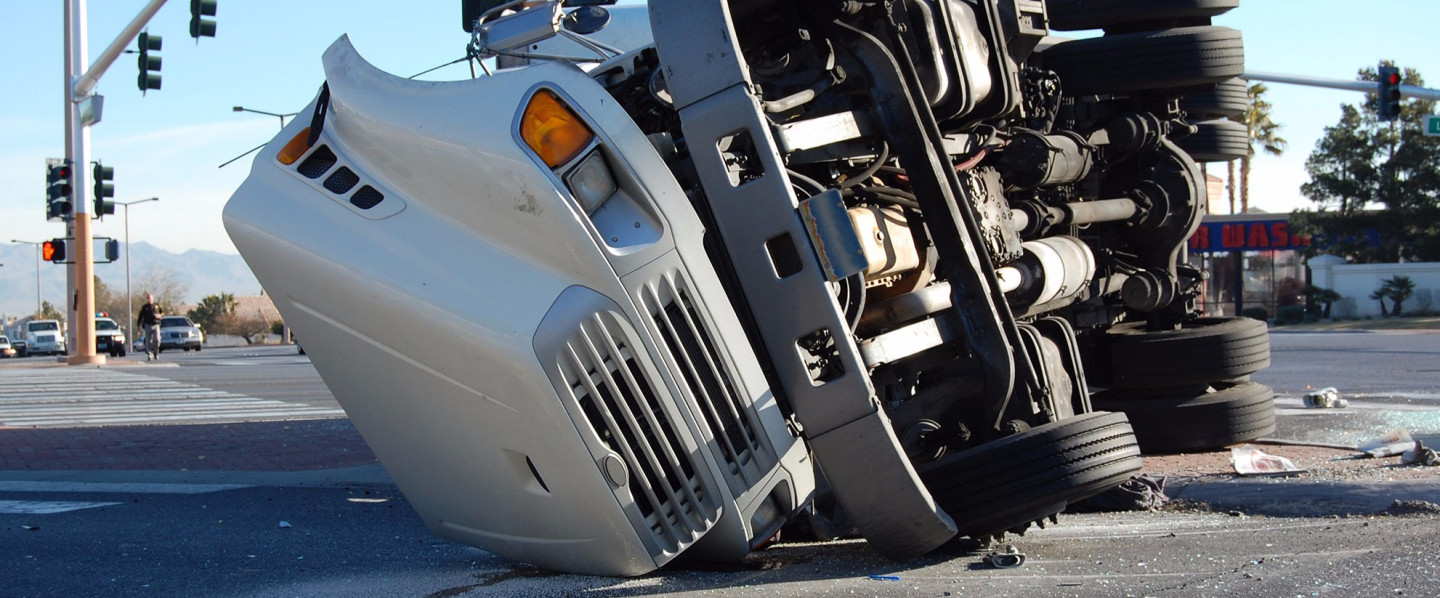
Driving beside 18-wheelers on a Texas highway is part of everyday life. Commercial trucks move alongside passenger vehicles on I-10, I-35, I-37 and highways across the state every day, carrying everything from groceries and construction materials to oilfield equipment. Most trips happen without incident. When a serious collision does occur, though, what looks like an ordinary traffic accident can quickly turn into a much more complicated legal matter.
A crash involving two passenger vehicles often begins with relatively familiar questions. Who had the right of way? Was someone speeding? Did a driver run a red light, follow too closely or become distracted behind the wheel? Those same questions can matter after an 18-wheeler accident, but they may represent only the beginning of the investigation. Commercial trucking introduces employers, contractors, federal and state safety requirements, maintenance records, electronic data and substantial insurance policies into the equation. That creates layers of potential responsibility that may not exist in a typical automobile accident.
The Truck Driver May Not Be the Only Responsible Party
After an ordinary car accident, attention usually turns first to the drivers involved. Truck accidents demand a wider lens. The commercial driver may have caused the collision through speeding, unsafe lane changes, distracted driving, fatigue or another form of negligence. Yet the trucking company may also bear responsibility depending on the circumstances. Questions can arise about how the driver was hired, trained and supervised. Investigators may examine whether the company knew about prior safety problems, whether drivers were being pressured to meet demanding schedules or whether company practices encouraged conduct that made a serious collision more likely.
Ownership arrangements can complicate matters further. The truck itself may belong to one company while another business owns the trailer. A separate motor carrier might employ the driver. Cargo could have been loaded by an independent company. Maintenance may have been outsourced to another provider. Those distinctions matter because a crash caused by improperly loaded cargo, defective brakes or poor vehicle maintenance may involve different parties from one caused solely by driver error. Identifying every party connected to the truck and its operation can become an important part of determining who may ultimately be responsible for the resulting injuries.
Commercial 18-Wheeler Truck Drivers Operate Under Different Rules
Commercial truck drivers don’t operate under exactly the same conditions as ordinary motorists. Trucking is a regulated industry, and drivers and motor carriers may be subject to rules concerning driving time, required rest periods, inspections, vehicle maintenance, licensing and recordkeeping. Fatigue is one area that frequently receives scrutiny following a serious commercial truck crash. Long stretches behind the wheel can impair reaction time and judgment. Rules governing driving and rest periods are intended to reduce those risks, but compliance can become a significant issue when an accident occurs.
Electronic records may provide important information about what happened before a collision. Modern commercial trucks can contain electronic logging information, engine data, GPS records and other digital evidence capable of showing when the vehicle was operating, how long the driver had been working and, in some circumstances, what the truck was doing immediately before impact. That evidence can become particularly important when the driver’s recollection of events doesn’t match the available data.
Trucking Companies Generate Considerable Evidence
One of the biggest differences between a commercial truck accident and a standard automobile collision is the amount of documentation that may exist. A trucking company may possess driver qualification files, inspection reports, maintenance records, dispatch communications, delivery schedules, electronic logs and internal safety documentation. The truck may also contain electronic information recording speed, braking or other operating data. Video can matter too. Commercial trucks increasingly use dashboard cameras or other recording systems. Nearby businesses, traffic cameras and other motorists may have captured the collision as well.
Some evidence can disappear, be overwritten or become harder to obtain as time passes. That makes the period immediately following a serious truck accident particularly consequential. Photographs, witness statements, vehicle inspections and electronic information may help reconstruct what occurred long after the damaged vehicles have been removed from the roadway.
Commercial Insurance Changes the Claims Process
Insurance is another area where 18-wheeler accidents can differ sharply from ordinary crashes. Commercial motor carriers frequently carry insurance policies designed for the risks associated with large trucks and commercial operations. Depending on the parties involved, several insurance policies may potentially come into play. Coverage could involve the trucking company, truck owner, trailer owner or another business connected with the operation.
Higher insurance limits don’t necessarily mean a claim becomes easier. Serious commercial truck crashes can expose insurers and companies to substantial financial risk. That can lead to immediate investigations involving insurance adjusters, attorneys, accident reconstruction professionals and company representatives. Statements may be requested quickly. Vehicles may be inspected. Records may be gathered while an injured person is still dealing with medical treatment. The process can become adversarial much faster than many people expect.
The Injuries Can Change the Value and Complexity of a Claim
An 18-wheeler can weigh many times more than a passenger vehicle. That disparity can produce devastating consequences when the two collide. Victims may suffer traumatic brain injuries, spinal injuries, fractures, internal injuries, burns or permanent physical limitations. Some crashes result in fatalities. Others leave families confronting months or years of medical treatment, rehabilitation and lost income.
Determining damages in these cases may require looking far beyond the emergency room bill. A serious injury can affect future earning capacity, ongoing medical needs and a person’s ability to perform ordinary activities. Long-term care may be required. Permanent impairment can change someone’s professional and personal life for years. Accurately evaluating those losses often requires a careful review of medical records, employment information and the injured person’s prognosis rather than relying solely on bills that have already arrived.
Truck Accident Investigations Often Require More Than a Police Report
Police crash reports can provide valuable information, but a report doesn’t necessarily answer every legal question raised by a commercial trucking accident. A thorough investigation may examine the physical scene, vehicle damage, skid marks, roadway conditions and witness accounts. Truck maintenance records may reveal mechanical problems. Electronic data can help establish speed or braking behavior. Driver logs can provide insight into working hours and rest periods.
Cargo can become part of the inquiry as well. Improperly secured or imbalanced loads can affect how a truck handles, especially during braking or emergency maneuvers. If cargo shifted before a crash, investigators may need to determine who loaded it and whether proper procedures were followed. Each piece of evidence contributes to a larger picture. Sometimes that picture looks very different from the initial account given at the roadside.
Sharing the Road Safely With Commercial Trucks
Drivers can’t eliminate every risk posed by large commercial vehicles, but understanding how trucks operate can make highway travel safer. Large trucks have substantial blind spots. They also need far more distance than passenger vehicles to stop, particularly when heavily loaded. Cutting closely in front of a tractor-trailer can leave the truck driver without enough room to slow down safely.
Passing should be deliberate. Remaining alongside a truck for an extended period can place a vehicle in an area where the commercial driver may have difficulty seeing it. Giving trucks additional space during turns is also important because trailers can track differently from the cab. Even a careful driver can’t control what another person does. Awareness simply provides more time and room to respond when traffic conditions change.
When an 18-Wheeler Accident Becomes a Legal Matter
The aftermath of a commercial truck crash can feel deceptively familiar at first. There are damaged vehicles, insurance calls, medical appointments and paperwork. Beneath that surface, the legal issues may be considerably broader than those involved in a typical collision. The driver may be responsible. The trucking company may share responsibility. Maintenance providers, cargo companies or other businesses may also need to be examined. Commercial insurance policies can overlap, while electronic records and company documents may become central pieces of evidence.
That’s why serious Texas 18-wheeler accidents deserve careful investigation from the beginning. At The Powell Law Firm, we represent people and families dealing with serious injuries caused by motor vehicle and commercial trucking accidents. When a collision with an 18-wheeler leaves you facing medical treatment, lost income or questions about what happened, understanding who was responsible is often the first step toward understanding your legal options.